
Commentary
How to fix the US-Saudi Nuclear 123 agreement
Matthew Sharp, Senior Nuclear Fellow, Center for Nuclear Security Policy argues Congress can fix most of the problems with the nuclear agreement without simply rejecting it.
Matthew Sharp, Senior Nuclear Fellow, Center for Nuclear Security Policy argues Congress can fix most of the problems with the nuclear agreement without simply rejecting it.
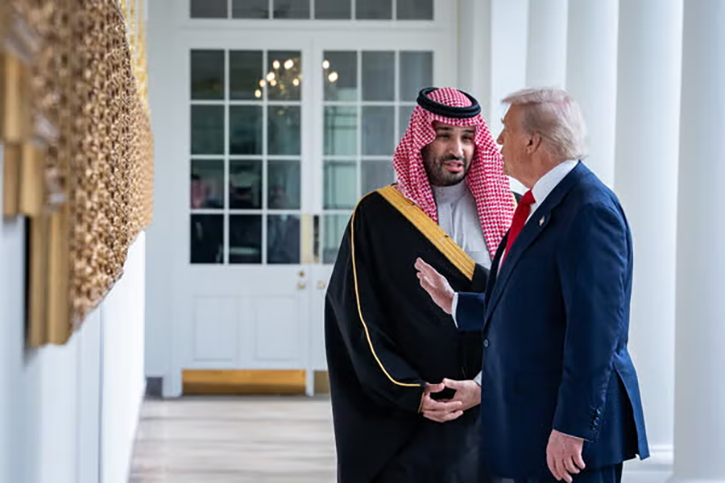
President Donald Trump welcomes Saudi Crown Prince and Prime Minister Mohammed bin Salman at the South Portico of the White House on November 18, 2025.
Last month, the Trump administration submitted a proposed nuclear cooperation agreement with Saudi Arabia to Congress. It will enter into force by the end of the year unless Congress acts to prevent it. The agreement has obvious shortcomings from a nonproliferation perspective, and its touted benefits seem highly uncertain, leading some to advocate that Congress should prevent its entry into force via a joint resolution of disapproval. But any attempt to pass such a joint measure is unlikely to succeed. Fortunately, over the longer term, Congress has other means to shape the agreement’s implementation better to align it with US interests, nonproliferation and otherwise.
The proposed agreement’s promised benefits are clear, but each one has its downsides. Most prominent is the promise of significant Saudi investment to revive the US nuclear industrial base. However, Saudi commitment and resources to deliver on this expectation are highly uncertain. Similarly, bold efforts to cooperate on the sale of F-35s to Saudi Arabia are already running into information-security questions that could apply in the nuclear case as well.


