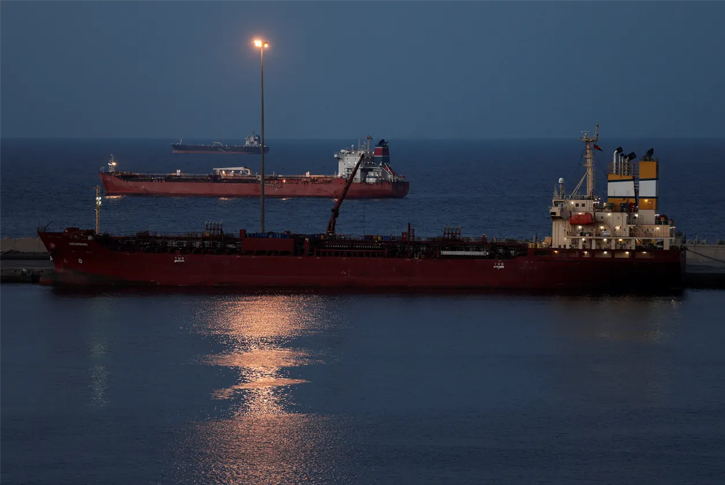
On a normal day, 20 percent of global oil supplies pass through the Strait of Hormuz, a narrow waterway opposite Iran’s southern coast. Over the past week, however, tanker traffic through the strait has plummeted in response to Iranian threats to target any vessels attempting passage, spiking the price of oil and raising global economic alarm.
Trump administration officials have seemed surprised by the chaos in world oil markets. And according to CNN, they told lawmakers in classified briefings that they did not prepare for the possibility that Iran might try to close the strait in response to strikes. After initially floating the idea of having the U.S. Navy escort tankers through the strait, President Donald Trump has now said that tankers should enter the strait on their own because most of Iran’s navy lies “at the bottom of the ocean.”
Yet even with much of the Islamic Republic of Iran Navy sunk, the danger from the separate Islamic Revolutionary Guard Corps Navy seems likely to persist. This force has long planned to threaten traffic in the strait through a combination of mines, missiles, drones, so-called midget submarines, unmanned surface vessels, and armed speed boats. Individually, these assets are already deterring most shippers from entering the Gulf and explain why the U.S. Navy has refused to provide tanker escorts. But if linked together in mutually supporting, synergistic ways, these capabilities could create an Iranian gauntlet in the strait that would be time-consuming, costly, and difficult for the United States to dismantle.
This is especially true if Iran is able to lay significant minefields. Clearing mines is always slow and difficult; doing it during a full-blown war, while facing threats from land-based antiship cruise missiles, drones, and other Iranian naval assets, would be exceedingly dangerous. Whether Iran can and will conduct this sort of campaign depends on which targets along Iran’s southern coast the United States has already destroyed as well as how extensively Iran planned for this contingency before the war began. But an Iranian campaign against tanker traffic in the Gulf would confront the United States with difficult choices and could foment further escalation.