With the Iran-US war stuck in a stalemate, US policymakers cannot afford to neglect other priorities in the Middle East. A year ago, Trump touted a new opening with Syria’s interim president Ahmed al-Sharaa, stating that the US “want[s] to see Syria become a country that’s very successful.” To back that vision, the administration pressured Congress to lift major sanctions programs—including the 46-year-old designation of Syria as a State Sponsor of Terrorism (SST). The theory of the case was straightforward: the private sector, not US aid, would drive Syria’s recovery, with Washington using its policy tools to encourage foreign direct investment and other forms of international support.
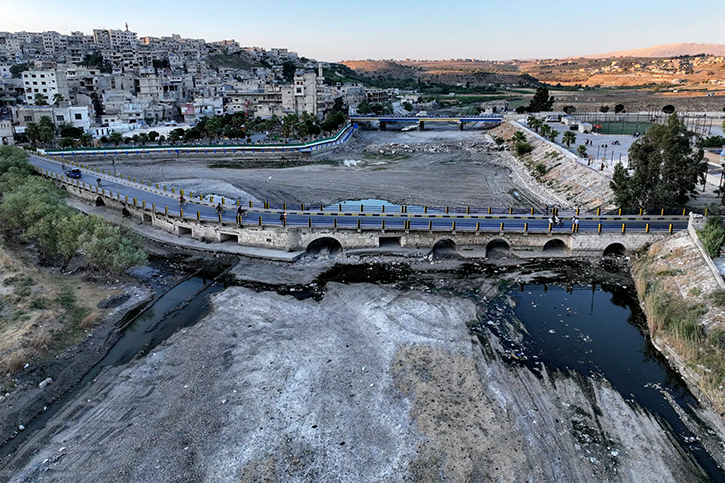
Yet even as Secretary of State Rubio quietly lifted the SST designations last month, Syria’s recovery is in jeopardy—not because the theory was wrong, but because the global energy crisis and other spillover effects of the US-Iran war are overwhelming it. Syria’s energy, water, and food needs were already acute a year ago; they have since been sharpened by rising oil and gas prices and shortages in supply chains for commodities like fertilizer and wheat. Meanwhile, Syria’s push to improve energy access through regional cooperation—especially with Iraq and Türkiye—risks getting sidelined by more pressing diplomatic priorities. At the same time, Syria’s interim government confronts a common dilemma facing transitional leaders: how to balance the economic reforms demanded by international financial institutions and donor governments with Syrians’ immediate expectations for basic needs.