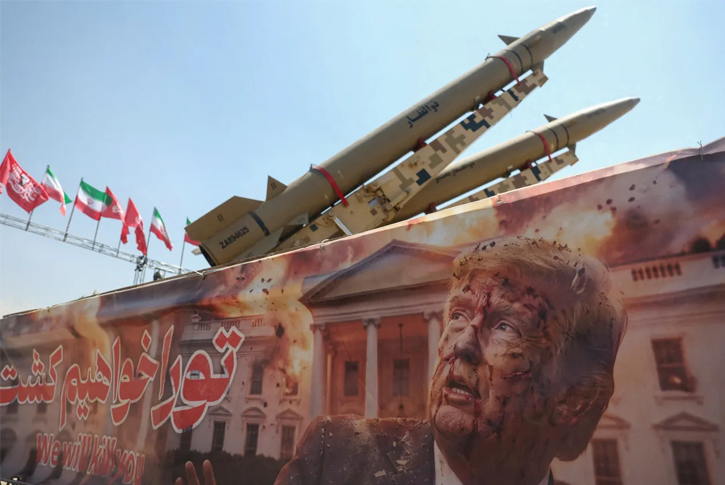
Ambiguity—vague language, mixed messaging, frequent policy shifts—has been a hallmark of the United States’ approach to the war in Iran. From almost the moment the conflict began, U.S. President Donald Trump has vacillated over its purpose, what risks he might be willing to take, and what the United States would consider victory. He has threatened to destroy Iranian civilization, then promptly signed a cease-fire agreement. He has floated the possibility of taking Kharg Island, the hub of Iran’s oil industry, only to quickly walk it back. And he has discussed imposing a 20 percent toll on shipping through the Strait of Hormuz, only to declare that the waterway must be free to everyone.
In some cases, ambiguity can help countries settle wars. Leaders, for example, can leverage uncertainty to de-escalate a conflict or reach a stable peace agreement by letting both sides claim victory. If governments avoid drawing clear redlines, they can avoid pressure to escalate in response to attacks, creating space to cool tensions.
But Washington’s mixed messaging about the war in Iran has done more harm than good. Trump’s spectrum of threats, for example, prompted Tehran to see the war in existential terms and maximally fight back. The lack of clarity over the status of the Strait of Hormuz made the June memorandum of understanding negotiated by the two countries impossibly frail. To reach a more durable truce, the Trump administration needs to be clearer about its goals and more consistent in pursuing them. Otherwise, Iran and the United States will continue to get their wires crossed—and the next cease-fire could again collapse.